13 May 2026
ADHD and emotional regulation: why emotions can feel so intense

Why does ADHD affect emotional regulation?
When people think about ADHD, they often think about focus, organisation, or hyperactivity.
But emotional regulation is another important part of the ADHD experience.
For many people with ADHD, emotions can feel bigger, faster, and more difficult to move on from.
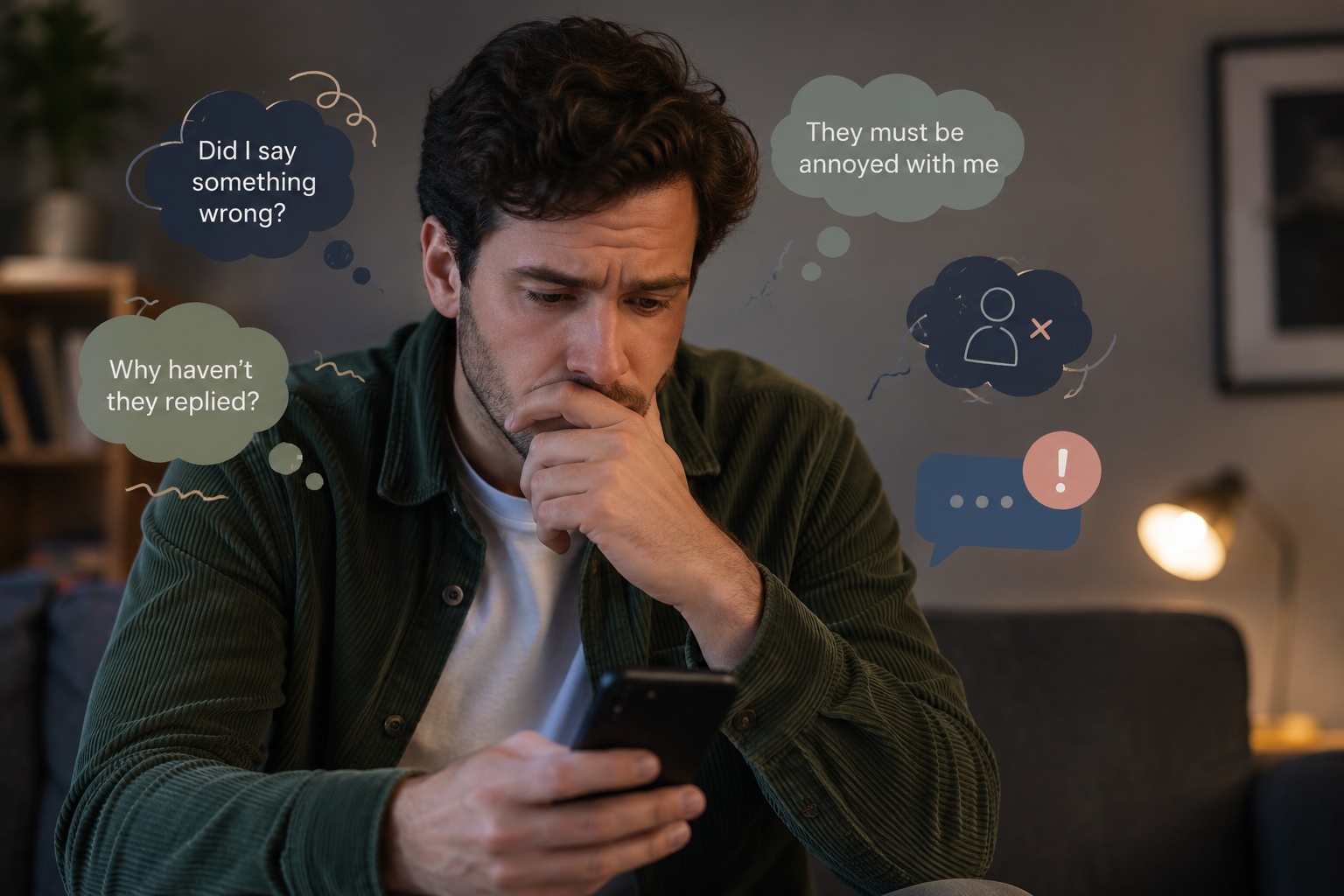
Small frustrations can feel overwhelming. Feedback can linger for hours or days. A difficult interaction can quickly spiral into self-criticism or anxiety.
This is sometimes called emotional dysregulation.
What is emotional dysregulation?
Emotional dysregulation refers to difficulty managing emotional responses.
It does not mean someone is “too emotional.” Instead, it reflects how quickly and intensely emotions are experienced.
Common signs of emotional dysregulation in ADHD include:
- feeling emotions intensely
- reacting impulsively during conflict
- struggling to calm down after stress
- feeling overwhelmed by criticism
- overthinking social situations
- withdrawing after emotionally difficult experiences
Fiona Bryce, Assistant Psychologist and Neurodiversity Coach at HelloSelf, says, “Two of the most common patterns I see are avoidance of situations where rejection feels possible and withdrawal from relationships or opportunities.”
Why emotional regulation can feel harder with ADHD
The ADHD brain processes emotions differently.
For some people, emotional responses feel immediate and difficult to slow down. Past experiences of criticism, rejection, or misunderstanding can also make emotional reactions feel more intense.
Many people also experience a build-up of shame or self-criticism after emotionally difficult situations, particularly when they feel misunderstood by others.
Over time, this can lead to patterns such as:
- people pleasing
- avoidance
- perfectionism
- social withdrawal
- overanalysing interactions
How to improve emotional regulation with ADHD
Emotional regulation skills can be developed over time.
Helpful strategies can include:
- grounding exercises
- breath work
- slowing down emotional reactions
- recognising emotional triggers
- practising self-compassion
- challenging worst-case assumptions
Fiona says, “Supporting understanding of emotional regulation is an important part of how HelloSelf’s neurodiversity coaches work with members, encouraging them to respond to their experiences with compassion rather than self-criticism.”
How neurodiversity coaching can help
ADHD coaching and neurodiversity support can help people better understand emotional patterns and respond to them differently.
At HelloSelf, neurodiversity coaching combines practical support with between-session guidance to help people apply strategies in everyday life.
Over time, emotional responses can start to feel more manageable, helping people feel more confident in relationships, work, and day-to-day situations.
Any questions? Get in touch at hello@helloself.com