8 May 2026
What is Rejection Sensitivity Dysphoria (RSD)? Symptoms, ADHD links and how to manage it
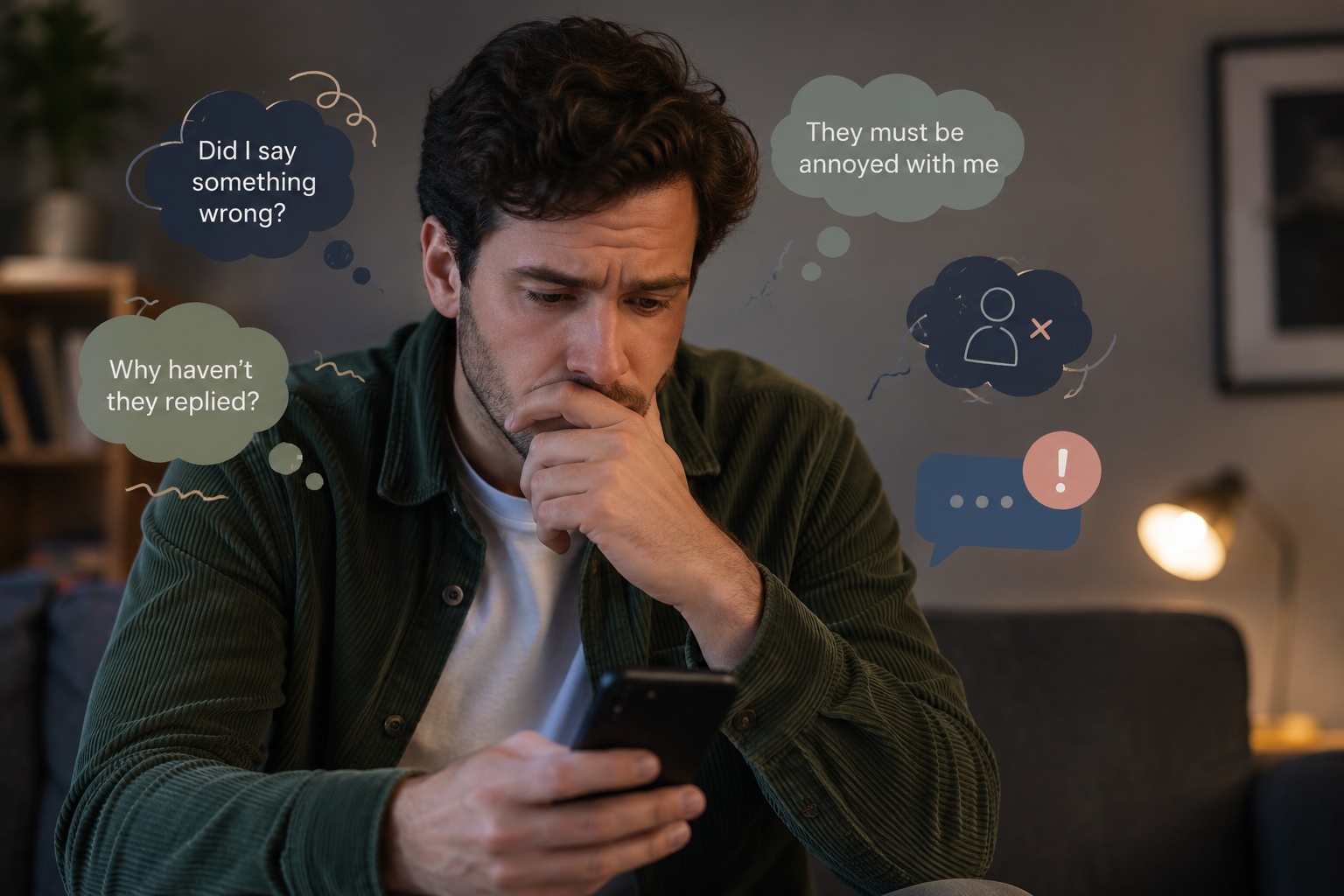
Why is everyone talking about rejection sensitivity dysphoria?
If you have recently searched for ADHD content online, you have probably come across the term rejection sensitivity dysphoria, often shortened to RSD.
Rejection sensitivity dysphoria describes an intense emotional reaction to real or perceived rejection, criticism, or disapproval. While RSD is not a formal clinical diagnosis, it is widely recognised in conversations around ADHD, emotional regulation, and neurodiversity.
For many people, RSD helps explain emotional experiences they have struggled to put into words for years.
Fiona Bryce, Assistant Psychologist and Neurodiversity Coach at HelloSelf, says, “For many neurodiverse individuals, RSD provides a name for something which they have always experienced but could never quite articulate.”
What does rejection sensitivity dysphoria feel like?
People with rejection sensitivity dysphoria often describe emotions that feel immediate, intense, and difficult to move on from.
Common RSD symptoms can include:
- overthinking conversations
- assuming someone is upset with you
- feeling overwhelmed by criticism
- replaying social interactions repeatedly
- withdrawing from relationships after perceived rejection
- intense shame or embarrassment after feedback
Sometimes the trigger can seem very small, such as:
- a delayed text reply
- brief feedback from a manager
- someone seeming distracted during a conversation
- feeling left out socially
Fiona says, “RSD can feel like a sudden influx of negative emotions in response to a perceived rejection or criticism. It can be overwhelming and hard to move past.”
Is rejection sensitivity dysphoria linked to ADHD?
Yes, rejection sensitivity dysphoria is commonly associated with ADHD.
Many people with ADHD experience emotional regulation differently, meaning emotional reactions can feel more intense and harder to manage.
For some individuals, past experiences of criticism, misunderstanding, or feeling judged can also increase sensitivity to rejection.
Fiona explains, “The ADHD brain experiences emotional regulation differently. Supporting understanding of this is an important part of how HelloSelf’s neurodiversity coaches support the people they work with, encouraging them to respond to their experiences with compassion rather than self-criticism.”
How to manage rejection sensitivity dysphoria
Learning how to manage rejection sensitivity dysphoria often starts with recognising the response before reacting to it.
Helpful strategies can include:
1. Name the reaction
Recognising “this might be an RSD response” can help create emotional distance.
2. Pause before responding
RSD can create a strong urge to immediately apologise, explain, or withdraw.
Taking a short pause can help prevent escalation.
3. Check the evidence
Ask yourself:
- What evidence do I actually have?
- Am I interpreting uncertainty as rejection?
- Could there be another explanation?
4. Use grounding techniques
Fiona says, “I use grounding techniques with members to help them stay present when an RSD response is triggered. This might look like breath work, sensory grounding, or doing a physiological check in.”
Can therapy or coaching help with RSD?
Yes. Therapy and neurodiversity coaching can help people better understand emotional triggers, reduce self-criticism, and build healthier responses to rejection and uncertainty.
At HelloSelf, neurodiversity coaching is designed to support people with ADHD and other neurodivergent experiences both during and between sessions.
Over time, support can help rejection sensitivity feel less overwhelming and easier to manage.
Got any questions? Get in touch at hello@helloself.com